Mirklurk: Every Step Matters Getting Started with Mirklurk
Your first hours in The Mirk—systems, priorities, and safe habits.
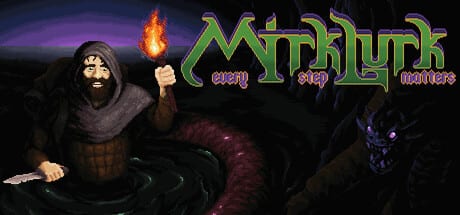
Mirklurk: Every Step Matters drops you into exile in The Mirk, a swamp that treats every tile as a decision. This getting-started guide explains what kind of game you are playing, which systems matter in the first hours, and how to build a survivable loop before you chase optional story beats or deep dungeon routes.
The game is a turn-based survival RPG by Edym Pixels (Mattias Myde), made in GameMaker, sold on Steam for about $14.99, with Very Positive reception around the mid-90% range. It is single-player, supports Steam Deck, and offers a demo. Full 1.0 launched November 25, 2026 after Early Access from June 11, 2026. Plan for a challenging curve: deaths teach the rules faster than any tutorial text.
What you are managing
You do not win by maxing a single meter. Four needs—Hunger, Focus (tiredness), Energy, and Warmth—roll into Well-being. That Well-being dial is not your hit points. Your actual life in a fight is a grid of HP cells, often protected by armor points you place before damage lands. Outside combat, bad Well-being causes accidents: botched fire-starting, wasted tools, and stupid deaths that feel unfair until you learn the meters.
Everything spends Action Points. You get eight AP per turn. Moving, attacking, using items, and interacting with the world cost AP. Slopes and rough ground cost more. Passing a turn with leftover AP can help recovery patterns (especially Energy), but standing still forever will not feed you or dry your wood. Treat AP like a shared budget for travel, work, and fighting—see the full breakdown in Controls.
First-hour priorities
- Learn the UI without panic. Identify AP, the survival dials, inventory weight or slots, and how tool selection works before you wander deep.
- Scavenge with intent. Food, dry-ish fuel, stones for fires, and a basic weapon matter more than shiny junk. Frogs, bugs, and scrap are valid early calories when better meals are scarce.
- Find or build a camp loop. You need a place to burn wood, dry wet fuel near the fire, stash overflow in chests, and sleep under tree cover—not pressed against the trunk, which can kill the tree and ruin the shelter logic. Details live in Camping.
- Respect night. Night is colder and more dangerous. Torches help vision and safety. Rain raises fever risk and wrecks warmth plans. Do not “just walk a bit farther” after dusk unless you already have fuel and a fallback camp.
- Pick fights on purpose. Snakes and early threats teach the grid system, but unnecessary combat burns AP, Focus, and gear durability you need for travel. Read Combat before you commit to every aggro.
How exploration works
The Mirk mixes procedural terrain with handcrafted locations, NPCs, merchants, and quests. An optional main story exists, but the swamp does not force a single railroad. Ruins, caves, and cracks can hide loot; darkness in dungeons is a threat on its own. Mark mental checkpoints: water edges, survivor camps, merchant routes, and high ground that costs extra AP but may save a future escape.
Skills such as foraging, brewing, hunting, exploring, and trading open different solutions to the same problems. You do not need every skill on day one. You need enough food science and camp competence to stop the death spiral, then specialize. Gear has tradeoffs: steel armor can be excellent in combat and terrible for climbing or staying warm. The Crafting Guide covers those decisions once you have a stable base of materials.
A simple day-one loop
Morning: check Hunger, Warmth, Energy, and Focus. Eat before you travel if Hunger is already leaning dangerous. Gather fuel and food along a short radius from a known shelter. Midday: visit a merchant or handcrafted POI if the path is clear; otherwise deepen your stash and dry wood. Afternoon: decide whether you have torch fuel and camp materials for night. Evening: set camp under proper cover, dry wet wood, cook if needed, stash valuables, and sleep. If a fight interrupts the loop, spend AP on ending it cleanly or fleeing—do not loot greedily while meters are collapsing.
Common beginner mistakes
- Treating Well-being as HP and ignoring the combat grid until you are already dying.
- Hiking slopes and wetlands without watching AP, then arriving at night with nothing left to build a fire.
- Camping against a trunk or in open cold instead of under canopy cover.
- Burning wet wood without drying it near a fire first.
- Wearing the heaviest armor everywhere and wondering why climbing and warmth feel cursed.
- Fighting every creature instead of routing around threats you cannot afford.
For a tighter checklist of early habits and scavenging order, continue with Early Game Tips. For meter math and night cold, open the Survival Guide.
Mindset for The Mirk
Mirklurk rewards planning, pattern reading, and accepting that exile is supposed to hurt. Save greed for moments when your camp is stocked and your meters are calm. Use merchants and stash chests to keep your carry weight honest. Learn one system at a time: AP movement, then firecraft, then grid combat, then skill specialization. When you die, ask which meter, AP spend, or shelter rule you violated—then start the next exile sharper.
If you want a visual pass of the early loop and combat introduction, the embedded overview video on this page pairs well with reading Combat afterward. Come back to this guide whenever a patch or long break makes the first hours feel foreign again; the core loop—meters, AP, camp, careful fights—remains the spine of Every Step Matters.
Frequently Asked Questions
Quick answers for surviving The Mirk.
Is Mirklurk multiplayer or shared sessions?
No. Mirklurk is a single-player exile experience. Plan your own routes, camps, and fights without relying on a partner.
What should I do before the first night?
Secure food, stones, and wood; dry wet fuel by a fire; camp under tree cover (not against the trunk); and keep torch materials ready if you must move after dark.
Is Well-being the same as HP?
No. Well-being summarizes Hunger, Focus, Energy, and Warmth. Combat life is a separate HP grid that can be shielded by armor points and shifted by dodge.
Should I follow the main story immediately?
Only after your survival loop is stable. The story is optional; procedural wilderness and handcrafted POIs matter more for learning the rules.
Where can I practice without buying?
A free Steam demo exists. Use it to test AP movement, camping, and grid combat before committing to a full run.